
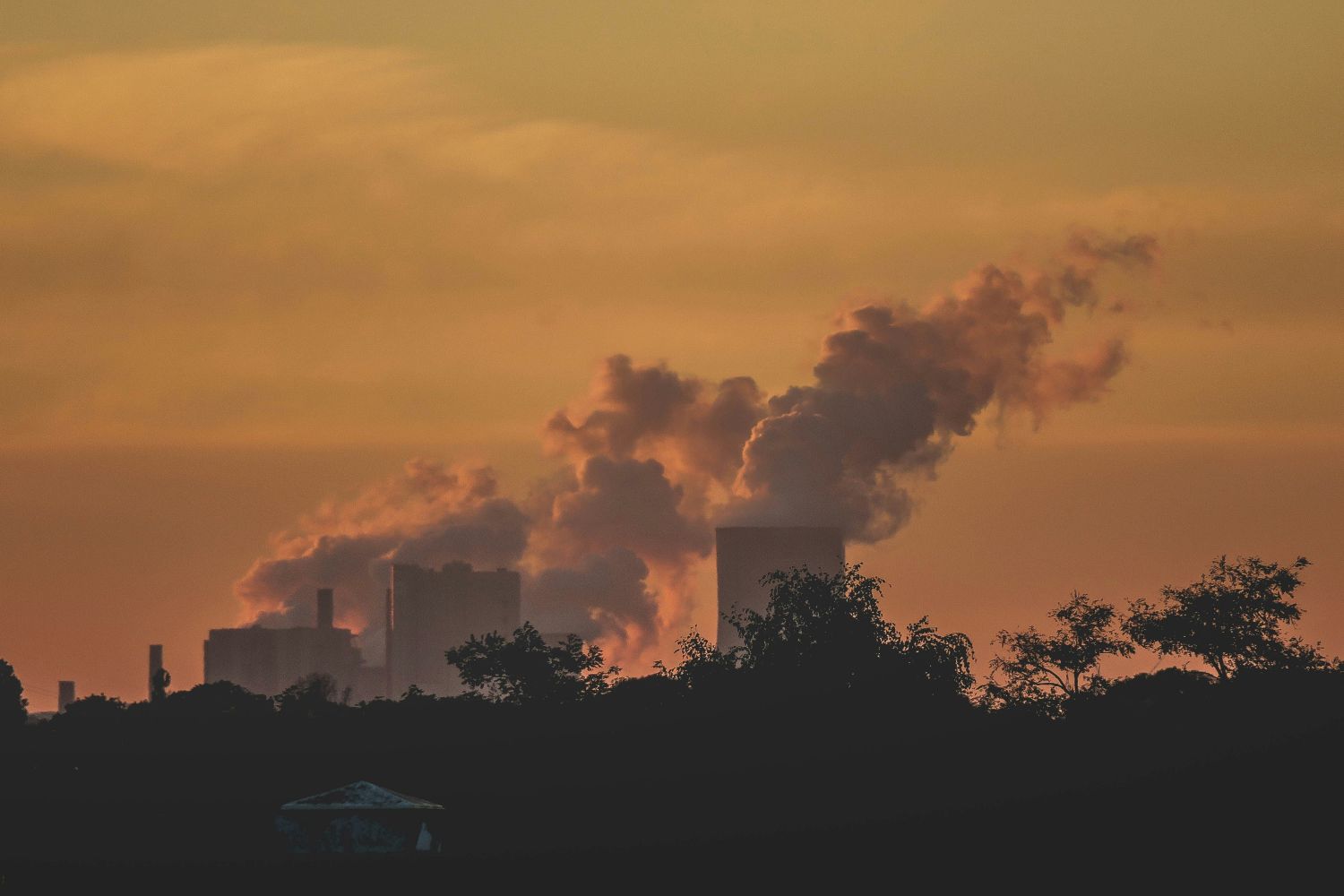
From Crawford to Fisk: Has Chicago Closed the Gaps in Demolition Oversight?

From Crawford to Fisk: Has Chicago Closed the Gaps in Demolition Oversight?

By: Madison Harter

On the morning of April 11, 2020, the nearly 400-foot smokestack of the Crawford coal plant crumpled to the ground in Chicago’s Little Village neighborhood.[1] The implosion caused dust to blanket homes, cars, and streets in a community that was already living through the beginning of the COVID-19 pandemic.[2] Today, Pilsen, another neighborhood in Chicago, is fighting the city over the partial demolition of another coal plant, Fisk.[3] This clash questions whether the City of Chicago has properly addressed mistakes made with the Crawford Plant and whether Fisk will suffer the same regulatory deficits. Chicago’s reforms after Crawford address some of the failures behind the 2020 implosion, but they do not guarantee the transparency, real notice, and cumulative impact reviews that communities need. The proposed Fisk demolition will show whether the City of Chicago has done enough to promote proper demolition protections.

Legal Saga Over 72-Year-Old International Pipeline Continues in Midwest States

Legal Saga Over 72-Year-Old International Pipeline Continues in Midwest States

By: Phoebe Liccardo

The Ecological Significance of Line 5

An indigenous nation in Wisconsin and the state government in Michigan have brought lawsuits against the same international pipeline under the laws of trespass and public trust. Enbridge Energy, LP (Enbridge) operates Line 5, a pipeline transporting 22 million gallons of crude oil and natural gas daily through northern Wisconsin and northeast Michigan.[1] Completed in 1954 and designed for fifty years of use, Line 5 is now 22 years beyond its intended lifespan.[2] Line 5 traverses 400 rivers, streams, wetlands, and other critical ecosystems along its path to Sarnia, Ontario.[3] Two of these ecosystems, the Bad River in northern Wisconsin and the Straits of Mackinac in Michigan, are the subject of ongoing legal battles.[4]

Trump Administration Proposing to Rollback Significant EPA Regulations for Chemical Disasters

Trump Administration Proposing to Rollback Significant EPA Regulations for Chemical Disasters

By: Diana Salinas-Murillo

Chemical Disasters in the United States

With the climate rapidly changing, the United States finds itself in political struggles to change policies for mitigating its potential effects on chemical disasters.[1] Since 2022, Democrats have urged the Environmental Protection Agency (“EPA”) to consider how climate change impacts chemical disasters. In particular, climate change can cause more frequent extreme weather that acts as a “threat multiplier” for chemical disasters. This threat multiplier spells out significant potential harm and impact to several vulnerable communities and workers at these chemical facilities.[3]

A Laboratory Under Siege: The Fate of California’s Clean Air Act Waiver

A Laboratory Under Siege: The Fate of California’s Clean Air Act Waiver

By: Annmarie Buckley

As the Trump Administration and several states grapple with the application of a key vehicle emissions regulation provision, the United States is on the precipice of a major shift in environmental law and policy. The impending shift implicates an uncertain future for state air quality regulatory regimes and the entire automobile industry.

State Litigation Against the Fossil Fuel Industry: Constitutional Challenges and Future Uncertainty

State Litigation Against Fossil Fuel Industry: Constitutional Challenges and Future Uncertainty

By: Nicholas Rodriguez

Since the meteoric rise of the fossil fuel industry, scientists have consistently warned of negative effects the industry may have on the environment.[1] After years of pollution and natural disasters states and municipalities have begun filing lawsuits against the largest gas and oil companies for their role in climate change.[2] Corporations, opposing states, and the federal government have all challenged the legality of these lawsuits, causing any movement toward stricter regulation of pollution to stall.

The First Global Plastics Treaty at Risk

By: Nicholas Rodriguez

The First Global Plastics Treaty at Risk

Is the first-ever international treaty addressing plastic pollution at risk? In March of 2022, the United Nations (UN) announced its plan to create the first international, legally binding agreement to end plastic pollution.[1] The original agreement was expected to be finalized by the end of 2024.[2] Now entering 2026 with the stalling of negotiations[3] and the departure of the treaty chair[4], the first-ever global plastics treaty seems to be at risk.

The Unjust Past and Bright Future of Calumet Park

The History of Calumet Park

By: Phoebe Liccardo

Chicago is graced with many breathtaking parks, and Calumet Park is no exception. Commissioned in 1903 and incorporated as a park in 1934, Calumet Park remains a staple of Chicago’s Southeast Side.[1] The park’s location on the shore of Lake Michigan is a defining characteristic both aesthetically and legally.[2]     

Silent Emissions: The Trump EPA’s Attack on Greenhouse Gas Reporting

By: Annmarie Buckley

Silent Emissions: The Trump EPA’s Attack on Greenhouse Gas Reporting

On September 12, 2025, the Trump Environmental Protection Agency (EPA) announced a proposed rule to end the Greenhouse Gas Reporting Program (GHGRP).[1] The GHGRP requires reporting greenhouse gas emissions and other relevant emissions data, such as fuel and industrial gas suppliers and CO2 injection sites.[2]

Trump and the Border Wall Construction: The Persistent Fight Against the Environmental Laws Waiver

By: Diana Salinas-Murillo

The Arizona Border Wall Extension Project

Recently, environmentalists have raised a rare constitutional challenge against the Secretary of Homeland Security’s authority in waiving over 30 environmental statutes for the expedited construction of the US-Mexico border wall.

Exploiting the Earth: U.S. Policy Towards Rare Earth Elements

Exploiting the Earth: U.S. Policy Towards Rare Earth Elements

By: Matthew Warren

Recently, the American news cycle has been focused on rare earth elements, or “rare earths.” From President Trump’s remarks about acquiring Greenland, to a possible transfer of Ukraine’s mineral rights to the U.S., to China’s reaction to increased tariffs, rare earths remain central to the geopolitical conversation. But what are these elements? Why are they in such demand? And how does this affect mining and the environment?

Page 1 of 13

Powered by WordPress & Theme by Anders Norén