
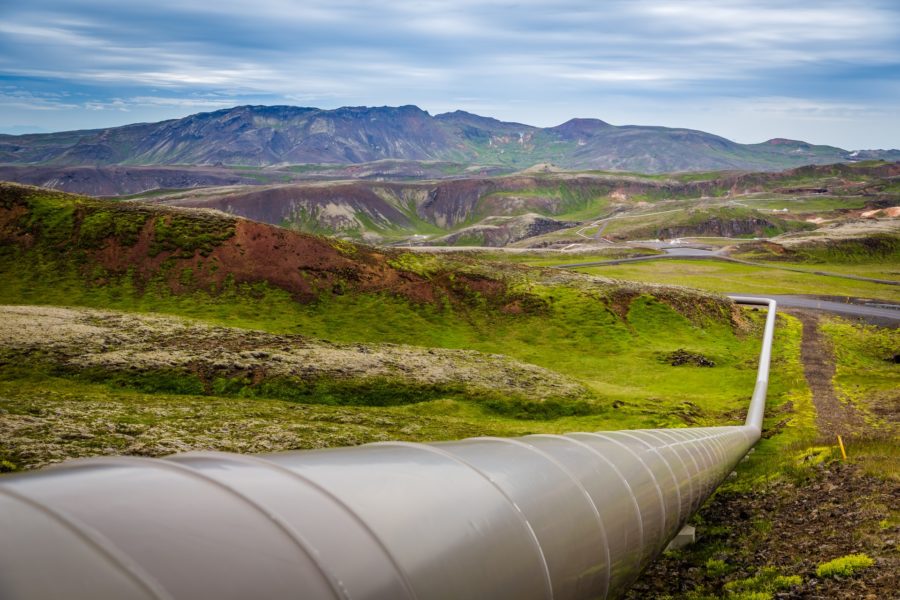
The Dakota Access, LLC, and Energy Transfer Crude Oil Company, LLC (collectively, “the carriers”), own the Dakota Access Pipeline that runs from North Dakota to southern Illinois.[1] The carriers submitted a plan to the Illinois Commerce Commission (“Commission”) to add additional pumping states in Illinois to accommodate the 2020 approval by North Dakota Regulators expanding the capacity of the pipeline from 570,000 to 1.1 million barrels per day.[2] The Commission granted the carrier’s petition and Save Our Illinois Land (“SOIL”), one of the environmental groups opposed to the petition, filed for a rehearing which the Commission denied.[3]
Tag: Pipelines
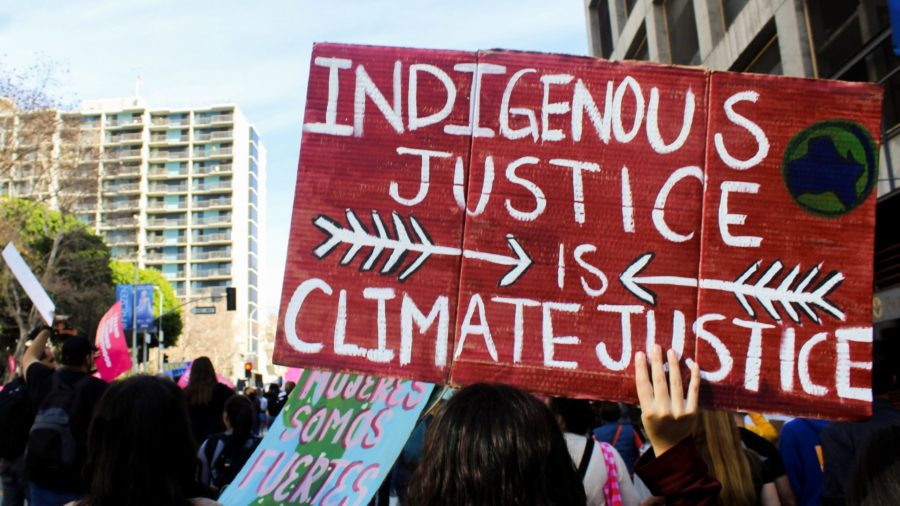
Indigenous groups have been the stewards of the American terrain for generations. Yet, these communities are in a constant battle not only to protect their own sacred land from ecological harm but also to advocate for a stable climate.[1] The continued exploitation of indigenous land by large corporations and the U.S. government is a reminder that colonialism is still alive and well in today’s governance.[2] The loss of critical habitat for many species that indigenous people rely on leads to not only the loss of necessary resources for survival but also sacred cultural practices. [3] Treaties between the U.S. government and indigenous groups are intended to guarantee continued tribal access to species as their habitats continue to change, however, these treaties are often not honored by the U.S. government.[4]
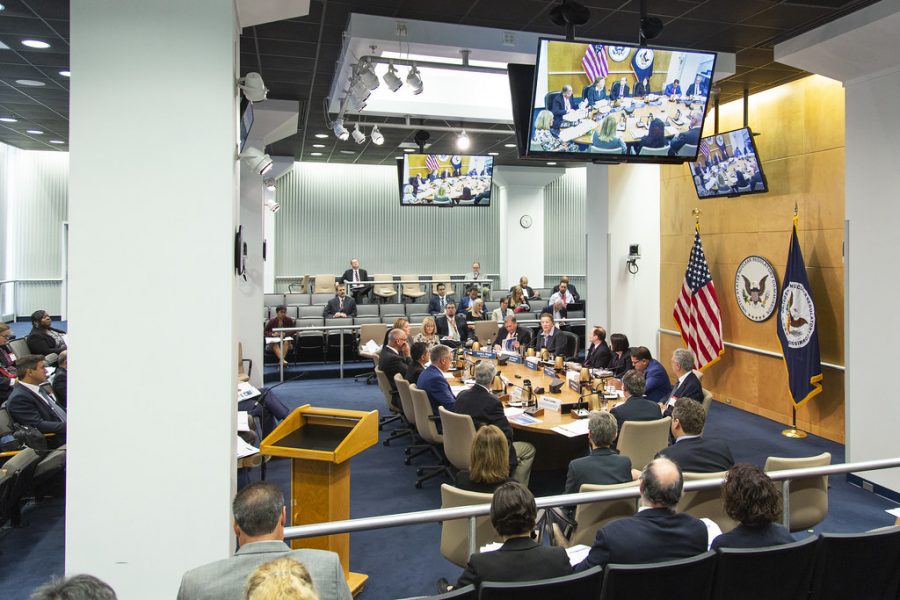
Soon after taking office, President Biden nominated Richard Glick, a Democratic commissioner on the Federal Energy Regulatory Commission (FERC), as the Commission’s new chair.[i] Though the Commission is expected to maintain a Republican majority until Commissioner Neil Chatterjee’s term ends June 30, Glick has begun shifting the priorities of FERC, which regulates the interstate transmission and sale of electricity, natural gas, and oil, to align with President Biden’s ambitious energy and environmental goals.[ii] The following examines Glick’s three main priorities under the new administration, each of which could substantially change the energy regulatory landscape.